
What can faith really do? What if our prayers are not answered?

A faith made to shine
Faith is one of the most often used words in the Bible, and one of its most beautiful ideas. Yet it is easy to hold it back. Many of us, even those who sincerely love God, prefer to stay on the safe side. We pray, but quietly expect little: about healing, about work, about the things that matter most. We are afraid of being disappointed.
What can faith really do? What if our prayers are not answered?
A faith made to shine
Faith is one of the most often used words in the Bible, and one of its most beautiful ideas. Yet it is easy to hold it back. Many of us, even those who sincerely love God, prefer to stay on the safe side. We pray, but quietly expect little: about healing, about work, about the things that matter most. We are afraid of being disappointed.
Why does God seem so cruel towards people?

In the Old Testament we read many stories of people and whole nations facing heavy consequences. These stories often leave us with a weight on the heart, and with a quiet question: is God truly so cruel? It is an honest question, and it deserves an honest, unhurried look.
A very different world
Let us begin by remembering how different the ancient world was. It was not a safe place. Cruelty was everywhere, life was short, and for most people it was also very hard. Whatever we think of those times, we should read them with that picture in mind.
Is everything predetermined?

When we read about troubles that seem to be coming for humanity, or for our own lives, it is easy to feel helpless, as if nothing can be done. Some of us quietly conclude that everything in life is already decided and that no effort will change it. But is this really so?
The Bible gives us a gentler picture. Even the disasters God Himself has announced, and even the blessings He has promised, are not always carried out exactly as spoken. Often they depend on how people respond. Consider what God told the prophet Jeremiah:
What does it mean to call on the name of the Lord?
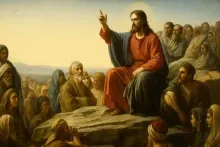
Is it enough to ask Jesus for help and say that I trust in Him? To call on His name? Will I be saved — is it really that simple?
Such questions come to us, or are told to us, after reading the following verse or similar ones to the one below.
The role of pride and true faith

All of us want to feel respected and valued. This is natural, and it is the root of our self-esteem. Pride is a close relative of that wish. It grows when we want others to notice what we have done and what we have become. It is no surprise that the Bible speaks about pride so often. We tend to read those verses quickly and assume they are about someone else. Let's take a gentler, closer look. Here are three short verses to start with:
Why did God ask to kill animals as sacrifices and offerings for sin?

When we read the Bible's detailed instructions for animal offerings on the altar, many of us feel uneasy. It is hard to see how God could be pleased by the death of innocent animals, or why forgiveness should have anything to do with it. These are honest questions, and they deserve a gentle, unhurried look.
It began with people
The first offerings in the Bible come from Cain and Abel. The text does not say that God asked them to bring anything. They brought gifts on their own:
Jacob wrestled with God and won. What does that mean?
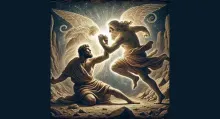
When Jacob was on his way home to meet his brother Esau, he wrestled through the night with God, and at dawn he was told that he had won. What does that mean? How can a mere human win against God?
The night at the river
Jacob was coming back after twenty years away. He had once left home because Esau wanted to kill him. Now he heard that Esau was coming to meet him with an army:
Why do righteous suffer and wicked flourish? Where is justice?

How do we follow God? How does God want us to live?

During our life, with age, we often get thoughts about how to live right, to act properly, where to look for happiness and the true meaning of life. We do not find satisfaction either in expensive purchases or in our achievements ...
We've heard about Jesus saving our lives. Is that enough or we actually need to do anything ourselves?